Gardenia Font: A Designer’s Real-World Embroidery Review
First Impressions: Elegance Meets Whimsy
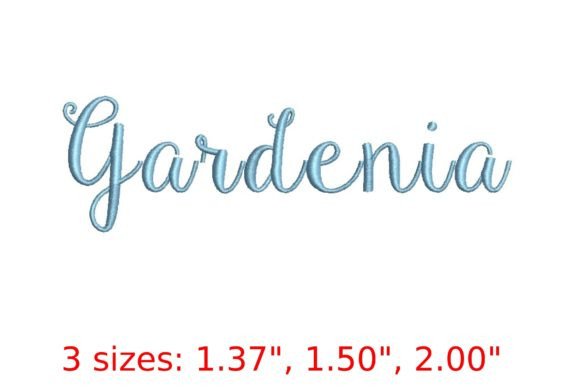
Opening the Gardenia Font embroidery file, I was immediately drawn to its soft, flowing script and delicate floral accents. It has a distinctly feminine and romantic feel, with sweeping curves and subtle embellishments that suggest it's perfect for projects that need a touch of sophistication without being overly formal.
This isn’t a font you’d use for bold, attention-grabbing logos or sporty hoodies. Instead, Gardenia Font feels right at home on boutique items, personalized gifts, or nursery decor where charm and personality are key. It’s the kind of design that whispers rather than shouts, making it ideal for customers who appreciate understated beauty.
Real-Life Use: From Tote Bags to Baby Clothes
I tested Gardenia Font on a few different real-world embroidery projects. First up: a custom tote bag for a local boutique. I stitched the customer’s name in a medium thread palette—soft pinks and greens—on natural cotton canvas. The result was lovely: the script flowed well, the floral elements added just enough flair without overwhelming the design, and it looked professional enough for retail.
Next, I tried it on a baby onesie. Using a light blue thread on ivory knit fabric, I embroidered the name “Lila” in a slightly smaller size. The satin stitches held up well, and the detail in the loops and tails of the letters remained intact. I was impressed with how cleanly it stitched, even on a slightly stretchy fabric—though I did use a lightweight stabilizer to prevent distortion.
Where Gardenia Font Shines
This font works beautifully for:
- Personalized gifts like embroidered tea towels or pillow covers
- Boutique apparel such as flowy dresses or linen tunics
- Back To School items like embroidered backpack tags or lunch sacks
- Baby and toddler items including burp cloths, bibs, and caps
- Wedding or bridal shower gifts like handkerchiefs or cosmetic bags
It also holds up well in digital mockups. I used a printable mockup generator to preview how Gardenia Font would look on a linen apron and a felt patch. Both looked cohesive and market-ready, which is a big plus if you're selling digital embroidery files or listing items on Etsy.
When to Use It With Care
While Gardenia Font brings a lot of visual appeal, there are a few practical considerations to keep in mind before stitching it on every project:
- Small hoop sizes may not accommodate the full font set or longer names without resizing, which can affect detail.
- Textured or thick fabrics might obscure the delicate lines and floral accents—test on scrap fabric first.
- Dark fabric backgrounds can make lighter thread colors harder to see; consider contrast carefully.
- Stretchy or thin materials require extra stabilizer to prevent puckering or distortion.
- Curved surfaces like baseball caps or rounded pillow inserts may require hoop adjustments or manual placement.
I found that on a curved cap surface, the floral embellishments near the edge of the lettering became slightly compressed. It wasn’t a dealbreaker, but it’s worth noting if you’re aiming for perfect symmetry.
Impact on Product Value and Customer Perception
From a business perspective, Gardenia Font adds a strong emotional hook. It’s not just legible—it’s expressive. When I showed embroidered samples to a few Etsy sellers and craft fair regulars, the response was overwhelmingly positive. They described it as “sweet,” “elegant,” and “perfect for gifts.”
That kind of reaction translates into higher perceived value and better customer engagement. Whether you're embroidering a boutique tote or a personalized baby blanket, Gardenia Font elevates the finished product from a simple stitched name to a thoughtful, handmade touch.
It also supports brand consistency for small shops looking to build a signature style. Used across packaging tags, thank-you cards, or embroidered labels, it helps reinforce a cohesive visual identity.
Designer Notes: What to Check Before Stitching
As with any embroidery file, it’s smart to run through a few basic checks before diving into a client project or production run:
- Test the design on scrap fabric to see how it stitches out on your specific machine and material.
- Review stitch density—especially in the floral details—to avoid puckering or thread breaks.
- Confirm hoop size compatibility with your embroidery machine.
- Inspect small details under magnification to ensure they won’t get lost in the fabric.
- Use proper stabilizer based on fabric type—cutaway for stretchy materials, tear-away for stable weaves.
- Check thread color contrast on both light and dark backgrounds before final stitching.
- Test in black and white mockups to ensure the design maintains clarity without color cues.
- Verify licensing if you plan to sell finished items or digital embroidery files featuring Gardenia Font.
Final Thoughts: A Worthy Addition to Your Embroidery Kit
Gardenia Font is a versatile and visually appealing embroidery design that brings a sense of warmth and personality to a wide range of handmade and commercial products. It’s not overly complex, but it carries enough visual interest to stand out in a crowded Etsy shop or boutique display.
If you’re a craft business owner, Etsy seller, or embroidery designer looking to expand your design assets with something elegant yet approachable, Gardenia Font is worth considering. Just be mindful of fabric type, hoop size, and intended use, and you’ll likely find it a reliable, customer-pleasing choice for your next embroidery project.